


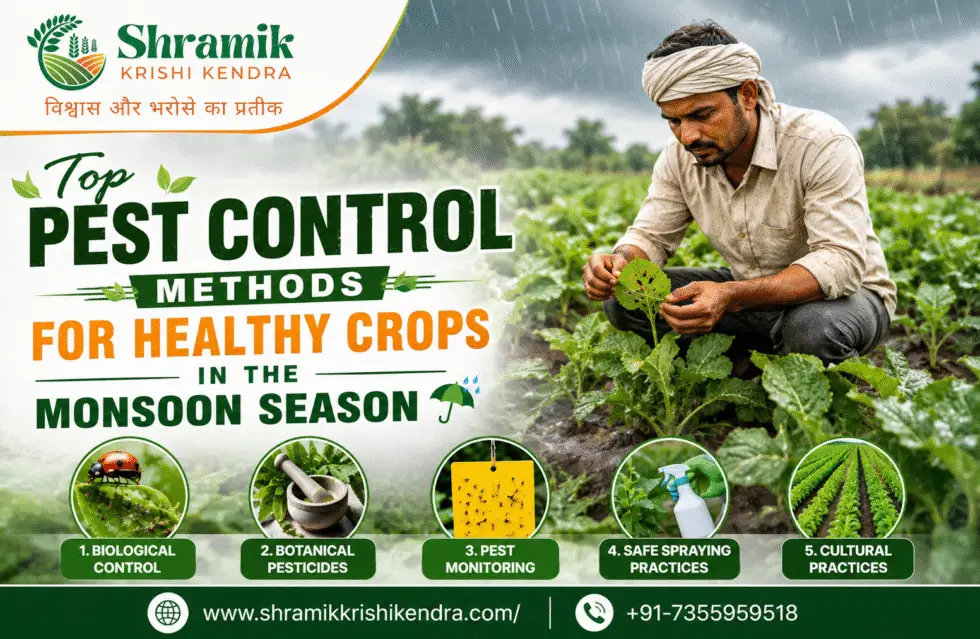
The monsoon season brings much-needed rainfall that supports crop growth, but it also creates favorable conditions for pests, insects, and plant diseases. High humidity, standing water, and fluctuating temperatures encourage the rapid multiplication of harmful organisms that can damage crops and reduce yields. Implementing top pest control methods for healthy crops in the monsoon season is essential for protecting your investment and ensuring a successful harvest.
Farmers who adopt preventive measures and integrated pest management practices can reduce crop losses while maintaining soil and plant health. By using the right techniques at the right time, it is possible to keep pest populations under control without relying excessively on chemical pesticides.
Top Pest Control Methods for Healthy Crops in the Monsoon Season: Why It Matters
Following the top pest control methods for healthy crops in the monsoon season helps farmers minimize crop damage and improve overall productivity. During the rainy season, pests such as aphids, caterpillars, whiteflies, stem borers, and leaf miners become highly active. Excess moisture also encourages fungal diseases like leaf spot, blight, and mildew.
Early detection and timely management are key to preventing widespread infestations. A combination of cultural, biological, mechanical, and chemical control methods provides the best results while promoting sustainable farming practices.
Common Monsoon Pests That Affect Crops
Understanding which pests are most active during the rainy season helps farmers take timely action.
Aphids
These tiny insects suck sap from young leaves and shoots, causing curling, yellowing, and reduced plant growth. Aphids also transmit several plant viruses.
Whiteflies
Whiteflies feed on plant sap and produce honeydew, which encourages the growth of black sooty mold and weakens crops.
Caterpillars
Leaf-eating caterpillars can quickly destroy foliage, reducing the plant’s ability to produce food through photosynthesis.
Stem Borers
Stem borers attack crops such as paddy and maize by tunneling into stems, weakening plants and reducing grain production.
Thrips and Leaf Miners
These pests damage leaves, flowers, and young shoots, affecting both crop quality and yield.
Top Pest Control Methods for Healthy Crops in the Monsoon Season
Using the top pest control methods for healthy crops in the monsoon season involves combining several effective farming practices.
Maintain Field Hygiene
Remove weeds, infected plants, and crop residues regularly. Many pests breed in unwanted vegetation and leftover plant material. A clean field reduces pest populations and disease spread.
Monitor Crops Regularly
Inspect crops at least twice a week during the rainy season. Look for damaged leaves, insect eggs, discoloration, or unusual plant growth. Early identification allows farmers to control pests before they spread.
Encourage Beneficial Insects
Natural predators such as ladybird beetles, lacewings, and spiders feed on harmful pests. Conserving these beneficial insects helps reduce the need for chemical pesticides.
Use Pest Monitoring Traps
Yellow sticky traps, blue sticky traps, and pheromone traps are effective tools for monitoring and reducing insect populations. These traps help detect infestations early and support integrated pest management programs.
Follow Proper Irrigation Practices
Avoid excessive irrigation during the monsoon. Good drainage prevents waterlogging, reduces humidity around plant roots, and limits the spread of fungal diseases.
Choose the Right Crop Protection Products
When pest populations exceed economic threshold levels, use recommended insecticides or fungicides according to agricultural guidelines. Always:
- Select products suitable for the target pest.
- Follow label instructions carefully.
- Apply the correct dosage.
- Rotate pesticide groups to reduce resistance.
- Wear appropriate protective equipment during application.
Responsible use of crop protection products ensures effective pest control while minimizing environmental impact.
Preventive Measures That Reduce Pest Problems
Prevention is often more effective than treatment. Farmers can reduce pest attacks by following these simple practices:
Use Quality Seeds
Healthy, certified seeds produce stronger plants that are naturally more resistant to pests and diseases.
Practice Crop Rotation
Growing different crops in successive seasons interrupts pest life cycles and reduces pest buildup in the soil.
Maintain Proper Plant Spacing
Adequate spacing improves air circulation, reducing humidity and lowering the risk of fungal infections.
Apply Balanced Fertilizers
Excess nitrogen can attract sucking pests such as aphids and whiteflies. Balanced nutrition promotes stronger plants with better natural resistance.
Remove Infected Plants Promptly
Destroy severely infected plants before pests spread to healthy crops.
Benefits of Following Proper Pest Control Methods
Adopting the top pest control methods for healthy crops in the monsoon season offers several long-term advantages:
- Protects crops from insects and diseases.
- Improves crop quality and market value.
- Increases overall farm productivity.
- Reduces unnecessary pesticide use.
- Supports environmentally sustainable farming.
- Minimizes production losses during the rainy season.
- Promotes healthier soil and stronger plants.
These benefits help farmers achieve higher profitability while maintaining ecological balance.
Conclusion
Implementing the top pest control methods for healthy crops in the monsoon season is essential for reducing crop losses and maximizing yields. Regular field monitoring, proper sanitation, biological control, pest monitoring traps, balanced fertilization, and responsible pesticide use together provide effective protection against common monsoon pests.
By taking preventive action and adopting integrated pest management practices, farmers can maintain healthy crops throughout the rainy season while reducing production costs and improving profitability.
For high-quality agricultural products, including seeds, crop protection solutions, fertilizers, farming tools, and other essential inputs, visit Shramik Krishi Kendra.
Choosing the right farming solutions at the right time helps ensure healthier crops, better yields, and long-term agricultural success.