


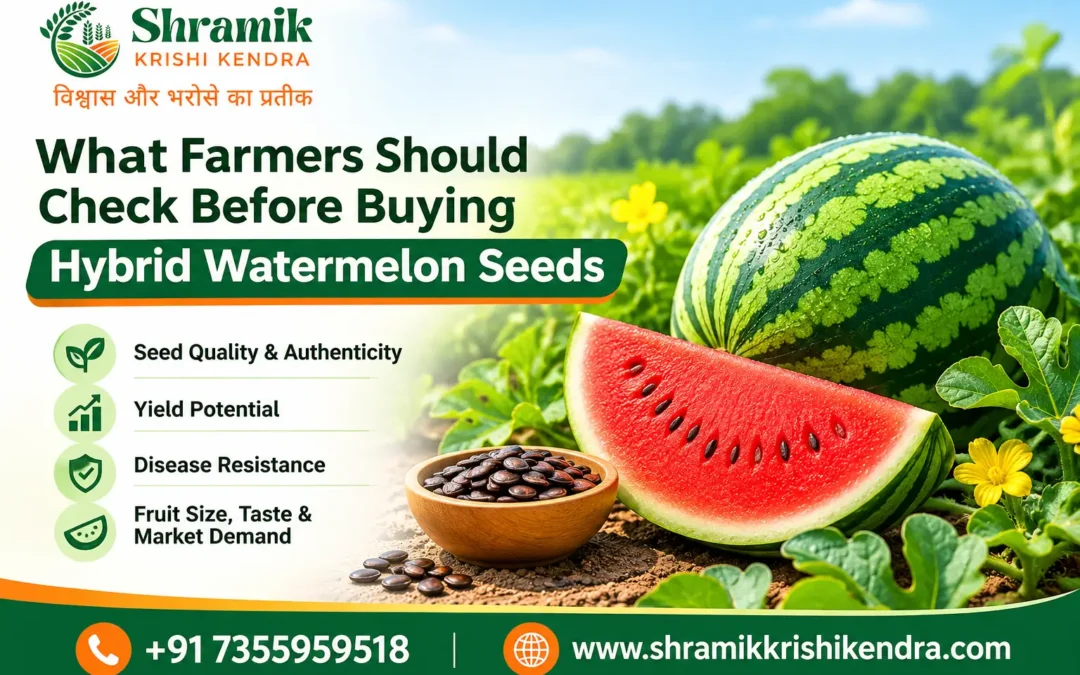
Watermelon cultivation can be a rewarding option for farmers when the right seeds and farming practices are selected. However, choosing seeds requires more than simply comparing prices or selecting a popular variety. Farmers should consider crop suitability, seed quality, maturity period, fruit characteristics, and growing conditions before making a purchase.
Hybrid Watermelon Seeds should be selected according to the farm’s location, soil type, climate, water availability, and market demand. A suitable variety can help farmers plan cultivation more effectively and manage their crop according to their production goals.
In this guide, we will discuss the important factors farmers should check before purchasing watermelon seeds for commercial or regular cultivation.
1. Check the Seed Variety and Its Suitability
The first step is to understand the variety you are planning to cultivate. Different watermelon varieties can have different fruit shapes, sizes, rind characteristics, flesh colours, and maturity periods.
Before purchasing, check whether the variety is suitable for your region and intended farming conditions. Consider the following points:
- Fruit shape and expected size
- Flesh colour and texture
- Rind characteristics
- Maturity period
- Recommended growing season
- Suitability for local soil and climate
Farmers should also consider the preferences of buyers in their target market. Selecting a variety that matches local market requirements can make crop planning more practical.
2. Understand the Seed Quality
Seed quality is one of the most important factors in successful cultivation. Good-quality seeds should come from a reliable source and have clear product information.
Before buying, check the packaging for details such as the variety name, batch number, packing date, expiry or validity information, and seed quantity. Also review any available information about germination and recommended sowing practices.
Avoid purchasing packets with damaged packaging, unclear labels, or missing product details. Proper seed storage is equally important because exposure to moisture and unsuitable temperatures may affect seed quality.
3. Check the Maturity Period and Harvest Planning
The maturity period helps farmers plan their cultivation schedule and estimate when the crop may be ready for harvesting.
Different varieties may have different maturity requirements depending on growing conditions and crop management. Before selecting a variety, check the maturity information provided by the seed supplier.
Consider these factors:
- Local weather conditions
- Sowing schedule
- Availability of irrigation
- Expected harvesting period
- Market demand during harvest
Planning the harvesting period in advance can help farmers coordinate labour, transportation, and marketing activities.
4. Compare Fruit Characteristics and Market Demand
Watermelon quality and appearance can influence buyer preferences. Some markets may prefer larger fruits, while others may demand medium-sized fruits with particular rind patterns or flesh characteristics.
Before choosing a variety, understand what local wholesalers, retailers, and consumers generally prefer.
Farmers should compare the available product information, including fruit size, shape, rind appearance, flesh colour, and other characteristics mentioned by the manufacturer.
It is also useful to speak with local agricultural experts or experienced growers before selecting a variety for large-scale cultivation.
5. Consider Soil and Climate Requirements
Watermelon crops generally perform best in suitable soil with good drainage. Soil conditions, temperature, sunlight, and water availability can influence crop establishment and development.
Before sowing, farmers should check whether their fields provide suitable growing conditions.
Some important considerations include:
- Soil drainage: Avoid areas where water remains standing for long periods.
- Soil preparation: Prepare the field properly and remove unwanted weeds.
- Sunlight: Choose a field with adequate sunlight.
- Water availability: Plan irrigation according to crop requirements.
- Soil health: Consider soil testing to understand nutrient conditions.
Understanding these requirements before purchasing seeds can help farmers make a more informed selection.
6. Check the Supplier and Product Information
Buying seeds from a reliable supplier is important for avoiding confusion about variety, packaging, and product specifications.
Farmers should look for clear product descriptions, genuine packaging, available customer support, and transparent purchasing information. Do not make a decision based only on a low price.
If you are exploring Hybrid Watermelon Seeds, compare the available varieties and read their product details carefully before placing an order.
You can also explore other vegetable seeds according to your seasonal cultivation plans and farming requirements.
7. Calculate Your Farming Budget
Seed selection should also fit within your overall cultivation budget. Apart from the purchase price, farmers should consider expenses related to field preparation, irrigation, fertilizers, crop protection, labour, and harvesting.
Compare the quantity required per acre with the pack size and price. Check the recommended seed rate from the product information or a qualified agricultural expert.
A practical budget helps farmers plan their investment and avoid unnecessary expenses during the cultivation cycle.
8. Explore Suitable Watermelon Seed Options
After checking the variety, seed quality, maturity period, and growing requirements, farmers can compare suitable products before making a final decision.
One option to explore is Suprit-2 Watermelon Seeds. Review the product description and available specifications to understand whether it matches your cultivation requirements.
If you are planning to buy paddy seeds online or purchase other agricultural inputs, always check the product details, packaging, and suitability before ordering. Choosing products according to your actual farming needs is more useful than selecting them only because of their price.
Conclusion
Choosing the right watermelon variety requires careful attention to seed quality, maturity period, fruit characteristics, soil conditions, and market demand. Farmers should compare product information and understand their field requirements before investing in seeds.
Hybrid Watermelon Seeds should be selected after considering local growing conditions and cultivation goals. Taking time to evaluate these factors can support better crop planning and more informed purchasing decisions. Shramik Krishi Kendra offers farmers an online platform to explore agricultural products and suitable seed options for their farming needs.