

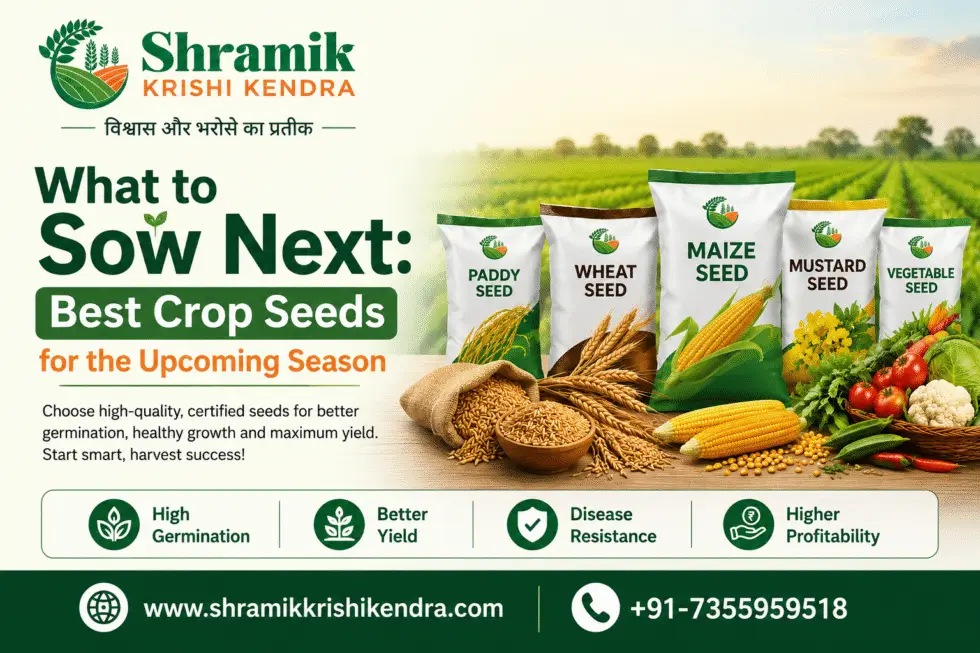
Selecting the right seeds is one of the most important decisions a farmer can make. The What to Sow Next: Best Crop Seeds for the Upcoming Season guide helps farmers understand which crops are suitable for the next cultivation cycle and how quality seeds can improve productivity. Whether you are preparing for field crops or vegetables, choosing certified and high-performing seeds lays the foundation for a healthy harvest. Farmers who invest time in selecting the right varieties often enjoy better germination, stronger crop growth, and higher yields.
With changing weather conditions and evolving farming practices, it is essential to stay updated with the best seed options available. Purchasing quality seeds from trusted suppliers and planning crop selection in advance can help reduce risks while maximizing profitability.
Why What to Sow Next: Best Crop Seeds for the Upcoming Season Matters
Planning ahead is one of the keys to successful farming. Instead of making last-minute decisions, farmers should evaluate soil conditions, climate, water availability, and market demand before choosing seeds. The What to Sow Next: Best Crop Seeds for the Upcoming Season approach ensures that crops are selected based on their suitability and potential performance.
Quality seeds offer several benefits, including:
- Higher germination rates
- Uniform crop establishment
- Better resistance to pests and diseases
- Improved tolerance to environmental stress
- Higher yield potential
- Better quality produce
These advantages help farmers reduce input costs while increasing productivity and profitability.
Best Crop Seeds for the Upcoming Season
Choosing the right crop depends on farming goals, local conditions, and available resources. Some of the most preferred crop categories include:
Paddy Seeds
Paddy remains one of India’s most important crops. High-quality paddy seed varieties provide vigorous plant growth, improved tillering, and excellent grain quality. Farmers should select certified varieties suitable for their region to achieve the best results.
Wheat Seeds
Wheat is a major cereal crop that performs best when grown using high-quality certified seeds. Selecting improved wheat varieties helps ensure better germination, disease resistance, and consistent grain production.
Mustard Seeds
Mustard is a profitable oilseed crop that requires healthy seed material for uniform crop establishment. Choosing improved mustard seed varieties supports better oil content and increased productivity.
Maize Seeds
Hybrid maize seeds are known for their excellent yield potential and adaptability. Farmers can benefit from selecting hybrids with strong disease resistance and better standability for consistent production.
Vegetable Seeds
Vegetable farming offers excellent income opportunities. Tomato, chilli, cabbage, cauliflower, okra, cucumber, spinach, coriander, radish, and other vegetable crops perform well when quality seeds are used. Selecting hybrid vegetable seeds can improve fruit quality, uniformity, and market value.
Factors to Consider Before Choosing Seeds
The What to Sow Next: Best Crop Seeds for the Upcoming Season strategy should always include proper planning. Before purchasing seeds, farmers should consider the following factors:
Soil Type
Different crops perform better in different soil conditions. Understanding your soil’s texture, fertility, and drainage helps in selecting suitable seed varieties.
Climate Suitability
Temperature, rainfall, and humidity directly influence crop growth. Always choose seed varieties that match local climatic conditions.
Disease Resistance
Certified seed varieties often include improved resistance against common diseases. Disease-resistant seeds help reduce crop losses and minimize the need for excessive crop protection measures.
Yield Potential
High-yielding varieties can significantly improve farm income when managed properly. Always compare different seed varieties before making a purchase.
Seed Quality
Healthy, clean, and certified seeds ensure better germination and vigorous crop growth. Poor-quality seeds often result in uneven crop establishment and lower productivity.
Benefits of Using Certified Seeds
Using certified seeds provides long-term advantages for every farmer. Certified seeds undergo quality testing to ensure genetic purity, physical purity, and good germination.
Some key benefits include:
- Consistent crop performance
- Higher productivity
- Better disease tolerance
- Uniform crop maturity
- Improved marketable produce
- Better return on investment
Investing in certified seeds is one of the simplest ways to improve overall farm efficiency.
Smart Farming Begins with Proper Seed Selection
The What to Sow Next: Best Crop Seeds for the Upcoming Season concept is not just about selecting crops—it is about making informed decisions that support long-term success. Farmers should evaluate market demand, farm resources, irrigation availability, and previous cropping patterns before finalizing seed choices.
Keeping records of past crop performance also helps identify which varieties perform best under specific field conditions. Combining quality seeds with balanced nutrition, timely irrigation, and proper crop protection creates the ideal environment for healthy plant growth.
For farmers looking to buy agriculture products online, selecting a trusted supplier ensures access to genuine seeds, fertilizers, pesticides, and essential farming inputs. Choosing an online argriculture store india with a wide range of certified agricultural products makes farm planning more convenient while ensuring product authenticity.
Conclusion
Choosing the right seeds is the first step toward a productive and profitable farming season. By following the What to Sow Next: Best Crop Seeds for the Upcoming Season approach, farmers can select crop varieties that match their soil, climate, and farming objectives. Investing in certified seeds improves germination, enhances crop health, and increases overall yield potential.
For reliable agricultural inputs and quality seed varieties, Shramik Krishi Kendra offers a comprehensive range of products to support modern farming and help farmers achieve better harvests.